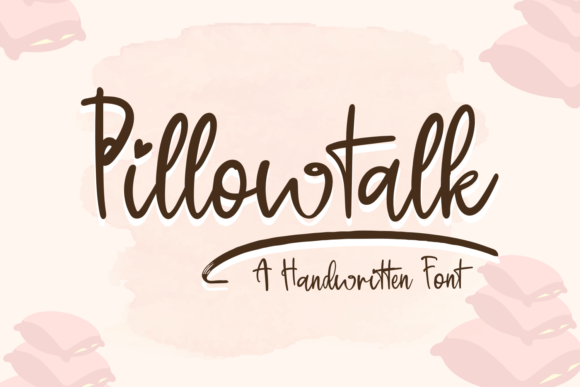
Pillowtalk Font: A Maker’s Guide to Handwritten Charm
The afternoon light was hitting my workbench just right when I opened the file for Pillowtalk. I had been struggling with a batch of soy candle labels that felt too rigid. The sans serif font I usually relied on was clean, yes, but it lacked the warmth I wanted to convey to my customers. I needed something that felt like a note left on a kitchen counter—personal, inviting, and effortlessly stylish. That is when I discovered this beautiful handwritten font from Script Amp. It wasn’t just a typeface; it was the missing ingredient in my brand identity.
For crafters, handmade sellers, and printable creators, finding the right font is often more about emotion than aesthetics. We are not just selling products; we are selling feelings, memories, and moments. Pillowtalk captures that essence perfectly. It is a script font that balances legibility with artistic flair, making it an ideal choice for anyone looking to elevate their design assets without sacrificing readability.
Bringing Warmth to Product Labels and Packaging
One of the first things I tested with Pillowtalk was a set of minimalist candle labels. The font’s natural flow mimics the gentle movement of handwriting, which pairs beautifully with organic products. When I applied it to the label design, the words "Lavender & Sage" didn’t just sit on the paper; they seemed to breathe. This is the power of a premium font that understands spacing and weight.
Beyond candles, this typeface shines on boutique packaging. Imagine using it for thank-you cards tucked into shipping boxes or as the primary text on hang tags for handmade jewelry. The visual personality of Pillowtalk suggests care and attention to detail. It tells the customer that a human being, not a machine, prepared their order. For small shop owners, this subtle cue can significantly enhance perceived quality and foster a deeper connection with the audience.
If you are designing for physical merchandise, consider how the font interacts with your materials. On kraft paper tags, the dark strokes of Pillowtalk stand out with striking contrast. On glossy sticker sheets, it retains its elegance without appearing too heavy. It is versatile enough to handle short phrases like "Handmade with Love" or "Thank You," ensuring that your branding remains consistent across all touchpoints.
Elevating Wedding Stationery and Invitations
Wedding season is always a busy time for invitation designers, and having a reliable script font in your toolkit is essential. Pillowtalk has quickly become a go-to for my wedding suite templates. Its romantic yet modern typography fits seamlessly into both rustic barn weddings and elegant ballroom affairs.
I recently used it for a set of digital printable invitations. The font’s swashes and ligatures add a decorative touch that feels custom-made. When pairing fonts, I found that Pillowtalk works exceptionally well with a clean sans serif font for the body text. This combination ensures that the important details—dates, times, and locations—are easy to read, while the names and headings steal the show. The contrast between the structured sans serif and the fluid handwritten style of Pillowtalk creates a balanced and professional look.
For wedding welcome boards and seating charts, the font’s display qualities really come into play. It is bold enough to be read from a distance but delicate enough to maintain a sense of sophistication. Whether you are creating physical prints or digital downloads for couples to print at home, Pillowtalk offers the flexibility needed for various formats.
Creating Engaging Digital Printables and Wall Art
The world of digital downloads is competitive, and standing out requires unique design elements. Pillowtalk is perfect for creating inspirational wall art, planner pages, and greeting cards. I have used it to design a series of motivational quotes for printable wall art, and the results were stunning. The font’s charm adds a layer of authenticity that standard computer fonts often lack.
When designing for planners, readability is key. While Pillowtalk is a script font, it remains clear enough for headers and section titles. I recommend using it for monthly covers or weekly headers, paired with a simple serif font for the daily grids. This approach keeps the layout organized while adding a touch of creativity. For social media graphics, the font’s aesthetic appeal helps stop the scroll. A well-designed quote graphic using Pillowtalk can significantly boost engagement and shareability.
For Cricut and Silhouette users, working with script fonts can sometimes be tricky due to connected letters. However, Pillowtalk is designed with cutters in mind. The paths are clean, and the connections are logical, making it easier to weed vinyl stickers and decals. Whether you are making custom tote bags, mugs, or shirts, the font translates well from screen to physical product.
Practical Tips for Using Pillowtalk in Your Shop
To get the most out of this creative font, consider these practical tips for your design process:
- Check Licensing: Before selling physical products or digital templates, always review the commercial font licensing included with your download. Ensure you have the right permissions for merchandise, printables, and client work.
- Explore Alternates: Many premium fonts come with alternates, ligatures, and swashes. Take time to explore these features in your design software. They can help you customize the look of Pillowtalk to fit specific projects, such as adding a flourish to a monogram or adjusting the flow of a word.
- Mind the Size: While Pillowtalk is legible, extremely small text can lose detail. For product labels and stickers, ensure the font size is large enough to maintain clarity. Test print a sample sheet to check readability before committing to a full production run.
- Pair Wisely: As mentioned, pairing Pillowtalk with a neutral sans serif or serif font creates a harmonious design. Avoid pairing it with other overly decorative scripts, as this can create visual clutter. Let Pillowtalk be the star.
- File Formats: Make sure you are using the correct file format for your project. OTF and TTF files are great for printing and general design, while web fonts are essential for online stores and blogs.
Building a Cohesive Brand Identity
Consistency is the cornerstone of strong brand identity. By incorporating Pillowtalk into your logos, packaging, and marketing materials, you create a recognizable visual language. Customers begin to associate the warm, handwritten style of the font with your brand’s values—whether that is craftsmanship, romance, or creativity.
For seasonal products, such as holiday tags or summer sale signs, Pillowtalk adapts effortlessly. It can feel cozy and intimate for winter designs or light and airy for spring collections. This versatility makes it a valuable asset in your design toolkit, reducing the need to purchase multiple niche fonts.
In the end, choosing a font is about storytelling. Pillowtalk tells a story of warmth, connection, and artistic expression. It invites the viewer to slow down and appreciate the details. For makers and sellers who pour their hearts into their creations, this font serves as the perfect voice for their brand. It transforms ordinary text into an experience, turning simple labels and cards into cherished keepsakes.
Whether you are designing a single greeting card or revamping your entire shop’s aesthetic, Pillowtalk offers the creative freedom and professional polish needed to succeed. It is more than just a typeface; it is a partner in your creative journey, helping you bring your vision to life with every stroke.