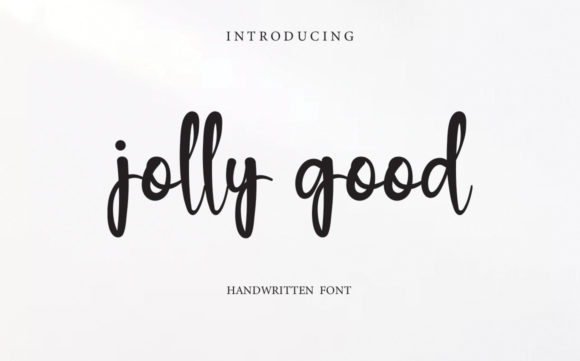
Jolly Good Font: A Crafter’s Guide
As a maker who spends hours perfecting the curve of a vinyl cut or adjusting the kerning on a wedding invitation, I know that the right typeface does more than just convey words. It sets the mood, establishes trust, and often becomes the visual heartbeat of a brand. When I first loaded Jolly Good into my design software, I was immediately struck by its balance. It is not just another script; it is a beautifully flowing and modern handwritten font that feels both personal and polished. For those of us running small shops, creating printables, or designing custom gifts, finding a font that bridges the gap between artistic flair and commercial readability is rare. Jolly Good manages to do exactly that, making it an essential addition to any creative toolkit.
The Visual Personality of Jolly Good
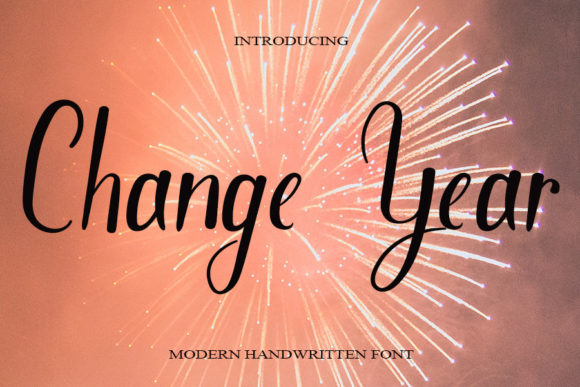
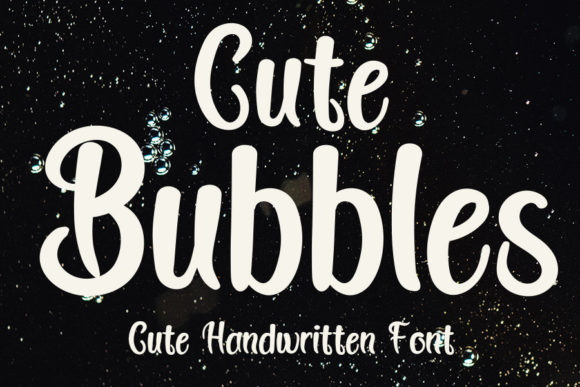
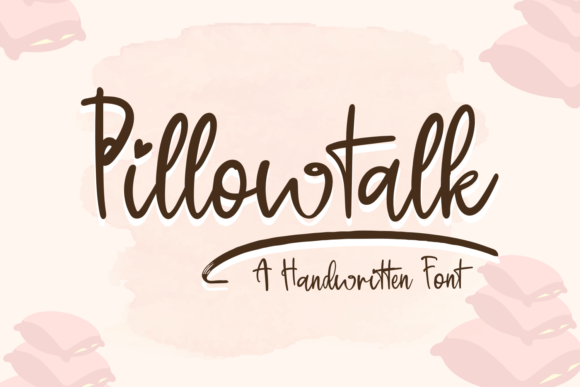
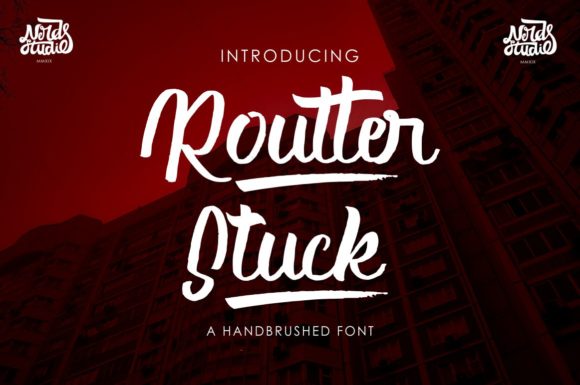
In the world of Script Amp and digital typography, many fonts lean too heavily into one direction. They are either so ornate that they become illegible at small sizes, or so rigid that they lose the human touch customers crave in handmade goods. Jolly Good sits comfortably in the sweet spot. Its strokes mimic the natural pressure of a brush pen, offering those delightful thick-and-thin variations that catch the eye without overwhelming the design. The flow is continuous and organic, suggesting movement and warmth.
This visual personality is crucial for brand identity. When a customer sees Jolly Good on a product label or a social media graphic, they subconsciously register authenticity. It feels like it was written by hand, which aligns perfectly with the ethos of the handmade community. Whether you are designing a rustic farmhouse sign or a chic minimalist logo, this font adds a layer of approachability. It tells your customer that there is a person behind the product, not just a machine.
Practical Applications for Makers and Sellers
The versatility of Jolly Good makes it a workhorse for various physical and digital products. Here is how I integrate it into my workflow:
- Wedding and Event Stationery: This is where Jolly Good truly shines. Use it for the names of the couple on invitations, save-the-dates, and place cards. Its elegance elevates the perceived value of the paper goods. It also works beautifully on welcome boards and seating charts, where readability from a distance is key.
- Product Packaging and Labels: For candle makers, soap artisans, and boutique owners, packaging is the first physical touchpoint. Jolly Good looks stunning on kraft paper labels, glass jar stickers, and hang tags. It pairs well with simple icons or botanical illustrations, creating a cohesive look that stands out on crowded shelves.
- Wall Art and Home Decor: If you create printable wall art or use a Cricut or Silhouette for vinyl decals, this font is ideal for short, impactful phrases. Think of quotes like "Home Sweet Home" or "Gather." The flowing nature of the letters creates a decorative element that acts as art itself.
- Social Media and Digital Marketing: In a feed full of noise, your graphics need to stop the scroll. Use Jolly Good for headlines in your Instagram stories, Pinterest pins, or Facebook ads. It draws attention to sales announcements or new product drops without looking cluttered.
Readability and Technical Considerations
While Jolly Good is undeniably attractive, practical application requires attention to detail. As a display font, it is best suited for short phrases, titles, names, and decorative wording. It is not designed for long paragraphs of body text. Using it for lengthy descriptions can strain the reader’s eye and diminish the impact of its unique character. Instead, reserve it for the elements you want to highlight.
For those using cutting machines, pay close attention to the connections between letters. Most modern script fonts, including Jolly Good, are designed with connected ligatures to ensure a seamless handwritten look. However, when cutting small stickers or intricate vinyl designs, you may need to adjust the size. Test cuts are essential. Ensure that the thin parts of the letters are wide enough to weed easily and adhere properly to your substrate. For very small product labels, consider increasing the tracking slightly or choosing a bolder weight if available, to maintain legibility.
When creating mockups for your online shop, always preview your design at actual size. A font that looks gorgeous on a large monitor might lose its definition on a small business card or a tiny jewelry tag. Jolly Good holds up well, but checking these details ensures your final product meets professional standards.
Font Pairing Strategies for Brand Consistency
A common mistake among new designers is pairing two complex fonts. Since Jolly Good is an expressive handwritten font, it needs a stable partner. The best approach is to pair it with a clean, simple sans serif font or a classic serif font. This contrast creates visual hierarchy and balance.
For example, if you are designing a logo for a bakery, use Jolly Good for the business name to add warmth and charm. Then, use a geometric sans serif for the tagline or menu items. This combination ensures that the brand feels friendly yet organized. Similarly, for wedding invitations, pair Jolly Good with a traditional serif font for the date, time, and location details. This juxtaposition of modern script and traditional type creates a sophisticated, timeless aesthetic that appeals to a broad audience.
Checking File Formats and Features
Before purchasing or downloading any premium font, it is wise to check the included features. Look for information on alternates, swashes, and ligatures. These extras allow you to customize the look of Jolly Good, preventing repetitive patterns in longer words and adding unique flourishes to capital letters. Ensure the font supports the languages you need for your target market. Most high-quality commercial fonts come in standard formats like OTF and TTF, which are compatible with major design software like Adobe Illustrator, Photoshop, Canva, and Procreate. Having these options ensures you can use the font across all your platforms, from web design to print production.
Licensing and Commercial Use
Understanding licensing is non-negotiable for anyone selling physical products or digital downloads. When you acquire Jolly Good, verify that the license covers commercial use. Typically, a standard commercial license allows you to use the font to create end products for sale, such as printed invitations, t-shirts, mugs, and labels. However, it usually does not permit you to redistribute the font file itself or use it in a way that allows customers to extract the font.
If you are creating editable templates for platforms like Corjl or Templett, check if an extended license is required. Some font creators have specific terms for template usage. Always read the End User License Agreement (EULA) carefully. Protecting your business by respecting intellectual property rights builds professionalism and ensures you can sell your creations with confidence. Investing in a properly licensed font like Jolly Good is an investment in the longevity and legality of your creative business.
In conclusion, Jolly Good is more than just a set of characters; it is a tool for connection. It helps crafters and sellers communicate warmth, quality, and style. By understanding its strengths, pairing it wisely, and using it within its intended scope, you can elevate your products and create designs that resonate with your customers. Whether you are labeling a batch of homemade jam or designing a wedding suite, let Jolly Good add that perfect human touch to your work.